Location: Pedasí, Azuero Peninsula, Panama
Project partner: Pro Eco Azuero
LATA Foundation contribution: $6,235
Project dates: March–April 2026
Participants: 34
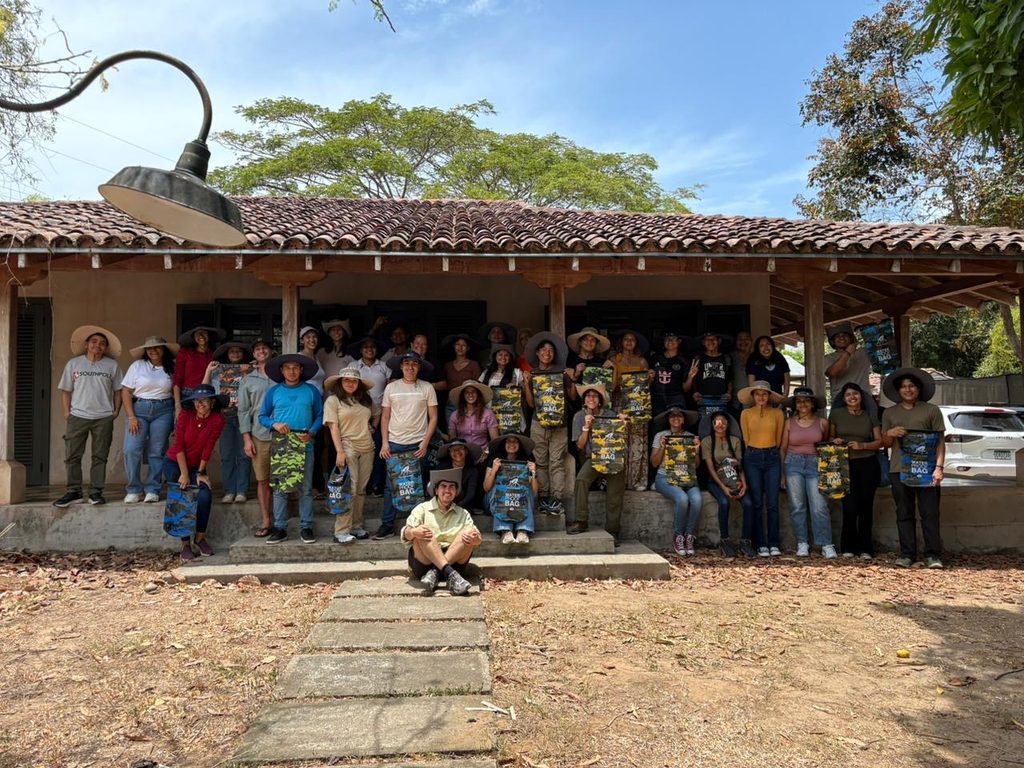
The “Less Footprint, More World” project, delivered by Pro Eco Azuero with support from the LATA Foundation, trained 34 participants in responsible tourism and conservation practices in the Azuero Peninsula of Panama.
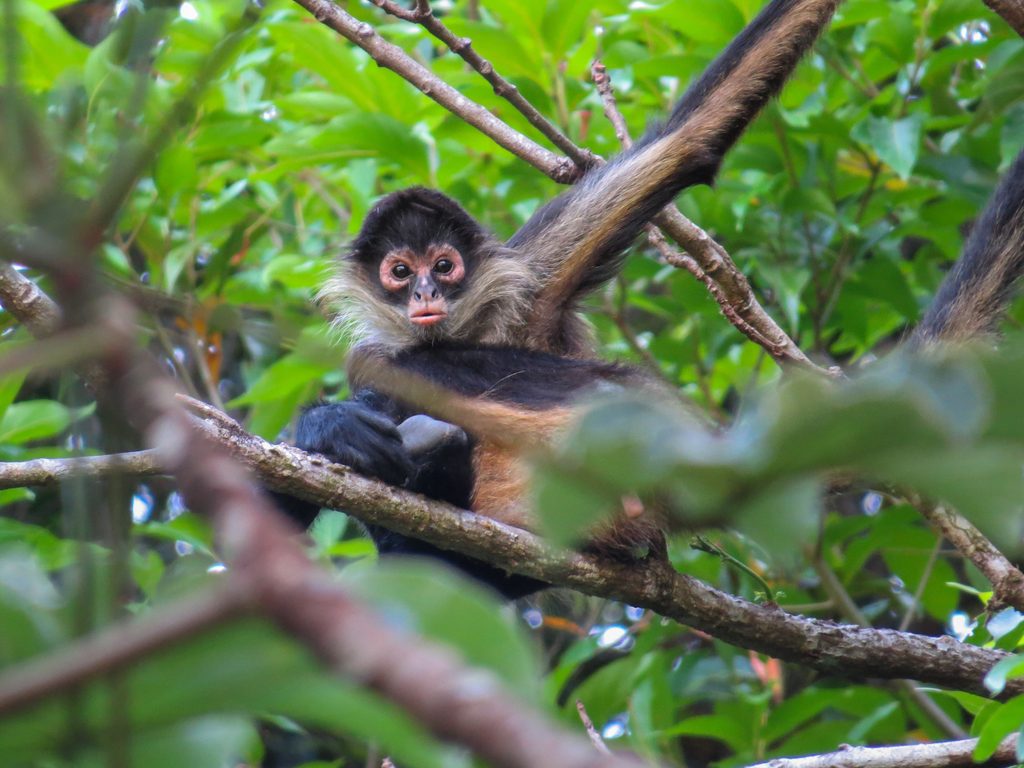
The project focused on Cerro Hoya National Park and Playa La Marinera, two ecologically important areas supporting diverse terrestrial and marine ecosystems. Playa La Marinera is an important nesting site for olive ridley sea turtles, while Cerro Hoya is home to rich biodiversity including jaguars, primates, birds and other wildlife.
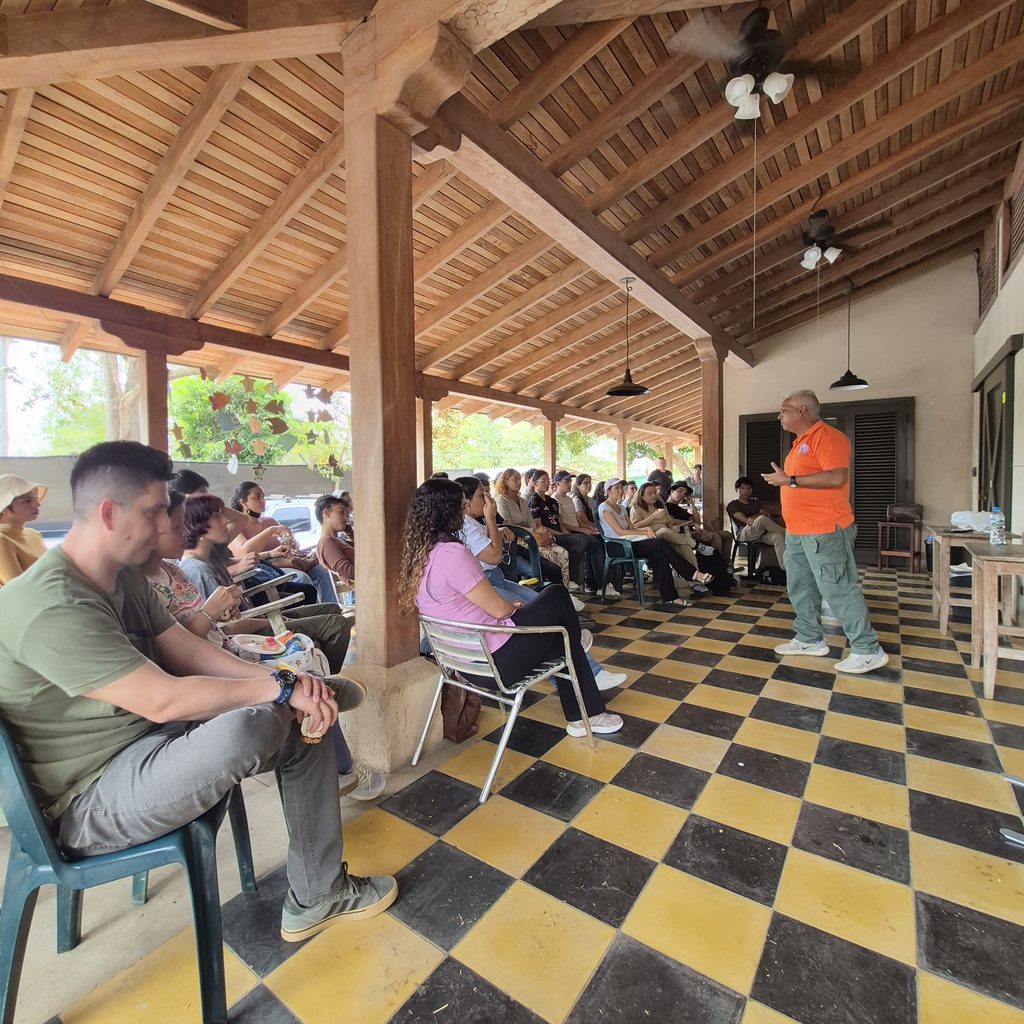
Over five weeks, participants took part in a series of expert-led online training sessions covering biodiversity, wildlife conservation, birdwatching tourism, sustainable tourism, visitor management and field safety. Topics included sea turtles, cetaceans, sharks, wild felines, primates and the forests of Cerro Hoya.
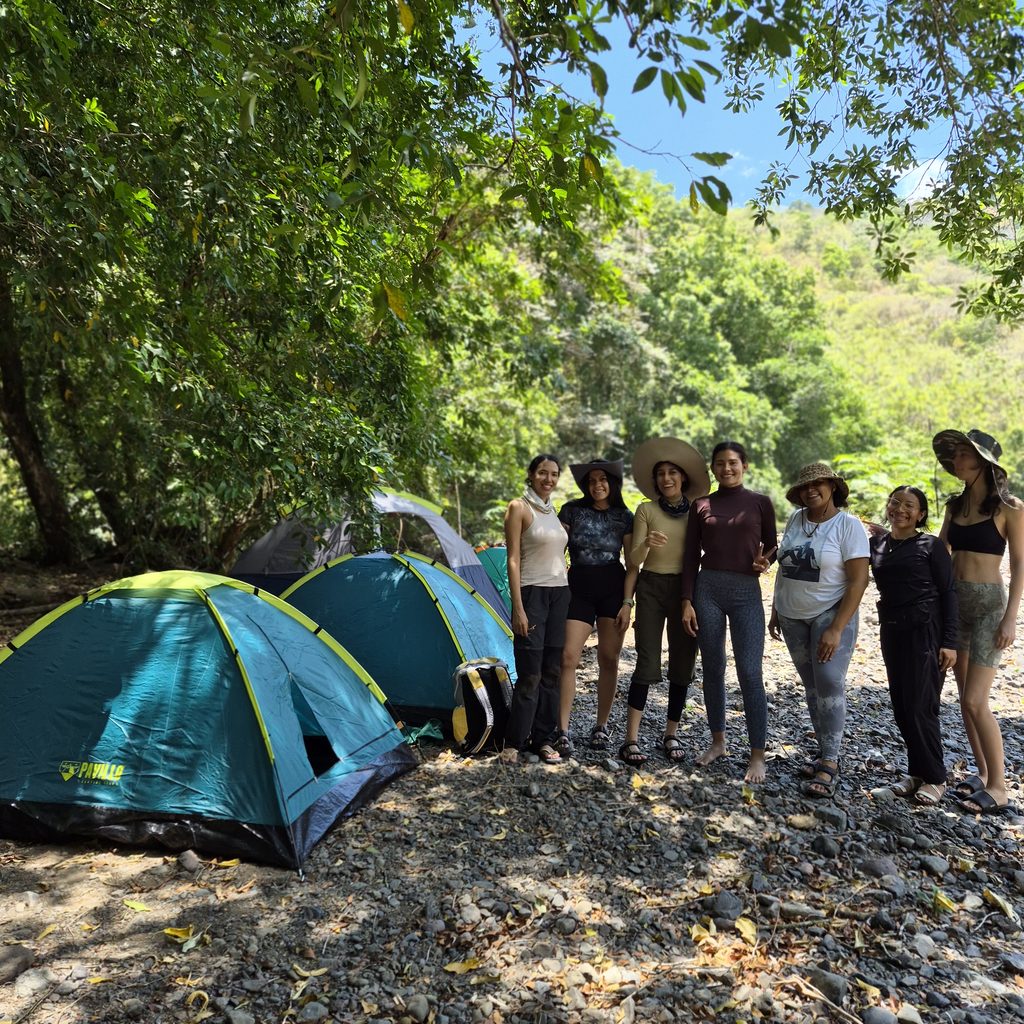
The training culminated in a three-day practical field experience in the Tonosí Forest Reserve, where participants put their learning into practice. They developed skills in camping and field safety, biodiversity observation and responsible visitor management, while using tools such as Merlin and eBird to identify and record wildlife. Participants also visited local production sites, highlighting the role that responsible tourism can play in supporting rural economies.
Project results
- 34 participants trained as leaders in responsible tourism
- Participants developed knowledge of local biodiversity and protected areas
- Training covered first aid, field safety and responsible visitor management
- Participants learned and applied Leave No Trace principles
- Participants gained practical experience in wildlife observation and citizen science
- Local tourism and conservation knowledge was strengthened
- Participants received certificates recognising their training as leaders in responsible tourism
The project also strengthened connections between local communities, conservation specialists, government agencies and tourism stakeholders, including Panama’s Ministry of Environment (MiAmbiente) and SINAPROC.
A lasting commitment to conservation
The project demonstrated how tourism can contribute to conservation when local people have the knowledge and practical skills to manage visitors responsibly. By combining expert training with hands-on field experience, “Less Footprint, More World” helped a new group of local leaders understand and promote tourism that respects wildlife, ecosystems and communities.
As Pro Eco Azuero concluded in its final report, the project aimed to ensure that participants leave “a footprint of conservation, not impact.”