Empowering Women and Youth through Cultural Tourism
Location: Pachar community, Ollantaytambo District, Urubamba Province, Cusco Region, Peru
Project partner: Turismo Cuida
Project Update, September 2026
The Pachar project is making strong progress, helping to raise the community’s profile while building the foundations for the next stage of sustainable tourism development.
A key milestone will take place on 1 October 2026, when 20 panels featuring Pachar’s murals will be inaugurated at a Línea 1 Metro station in Lima. The event will bring together representatives from the Ministry of Culture, MINCETUR, Turismo Cuida and the Cultural Foundation of Banco de la Nación, providing an important opportunity to showcase Pachar’s cultural heritage to a wider audience.
A video highlighting Pachar is also being displayed on a large outdoor screen at the Ministry of Culture in Lima, further increasing the community’s visibility.
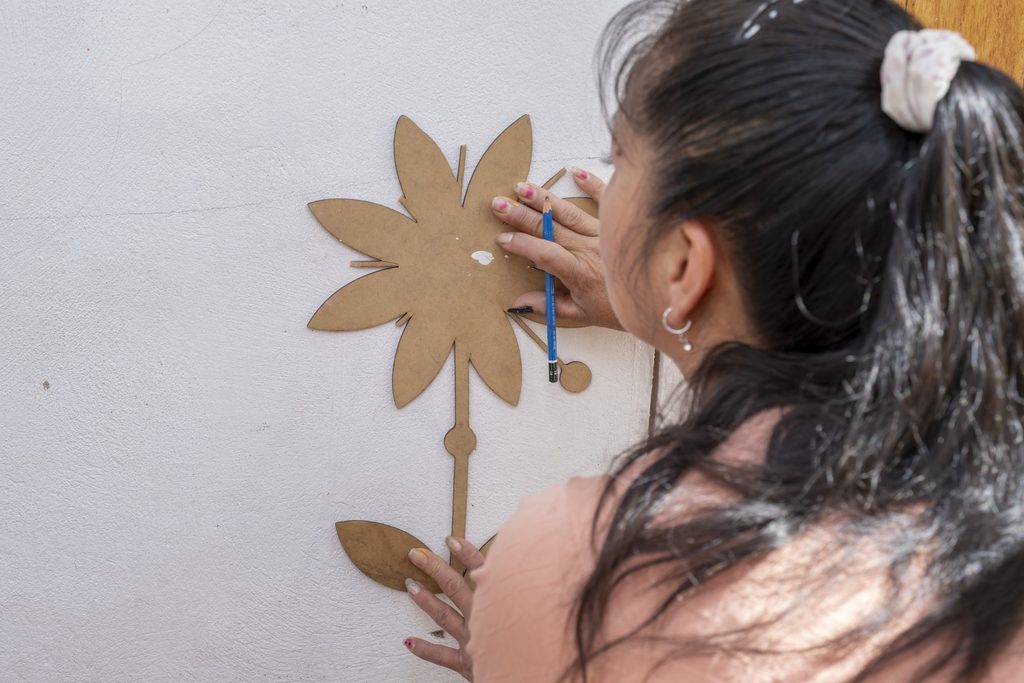
Meanwhile, work is continuing within Pachar itself. Carmencita Gómez is carrying out a field assessment of the remaining façades available for mural development, following the completion of an initial inventory. This will help determine the next phase of mural development and ensure that the work continues to reflect the community’s identity and priorities.
The next stage of the project will focus on technical assistance and capacity building in October, followed by the development of 3–4 market-ready tourism experiences in November. These are expected to include mural tours, craft workshops and gastronomic experiences, creating opportunities for residents, particularly women and young people, to participate in and benefit from tourism.
The Project
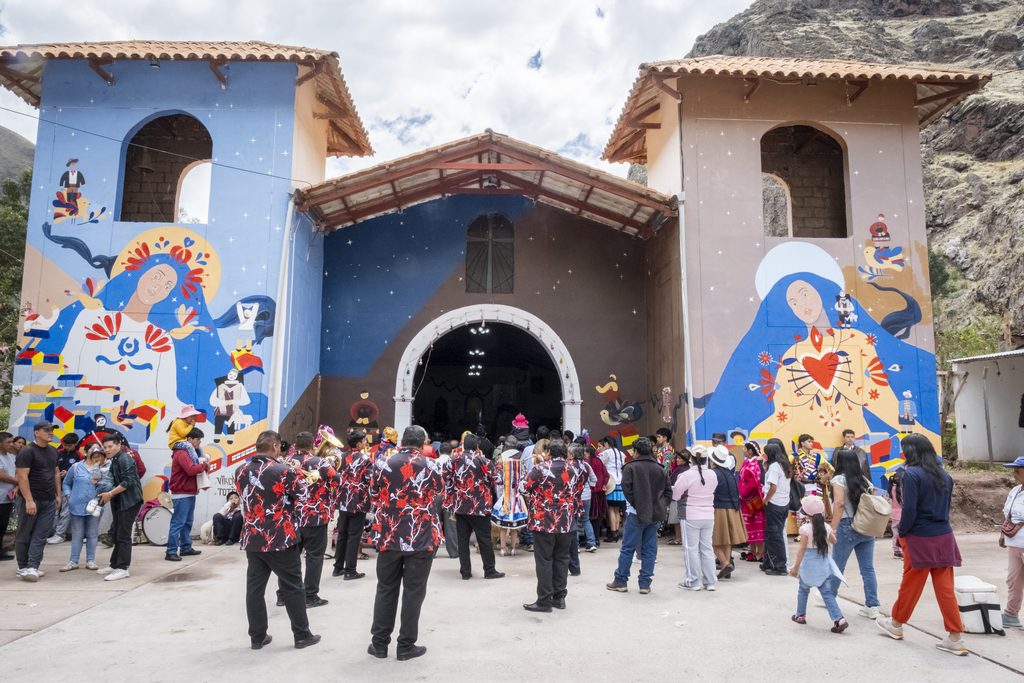
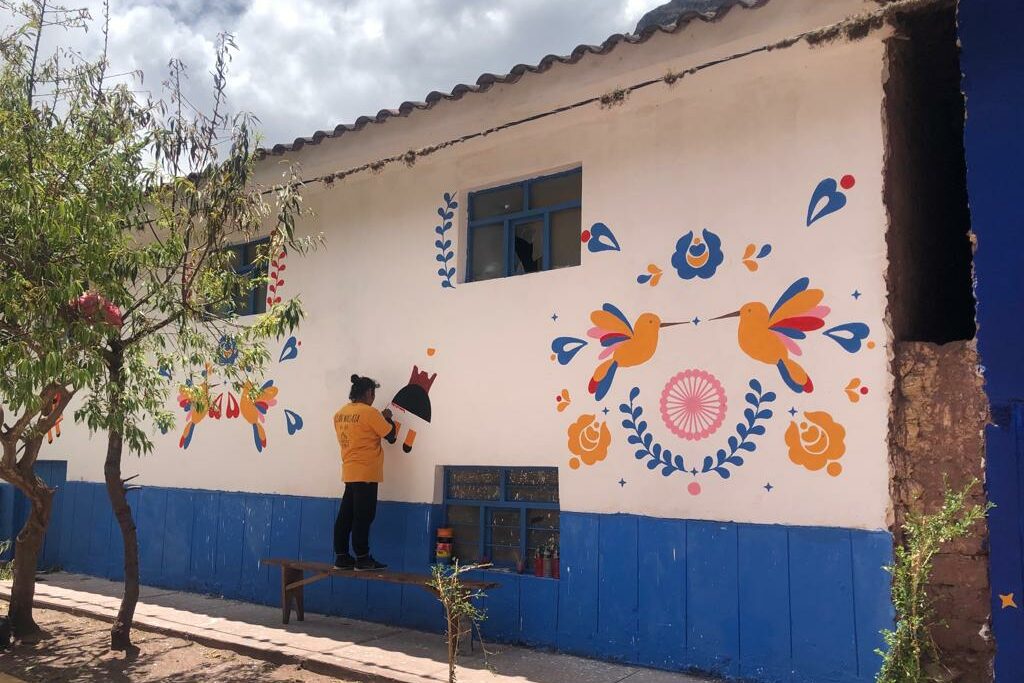
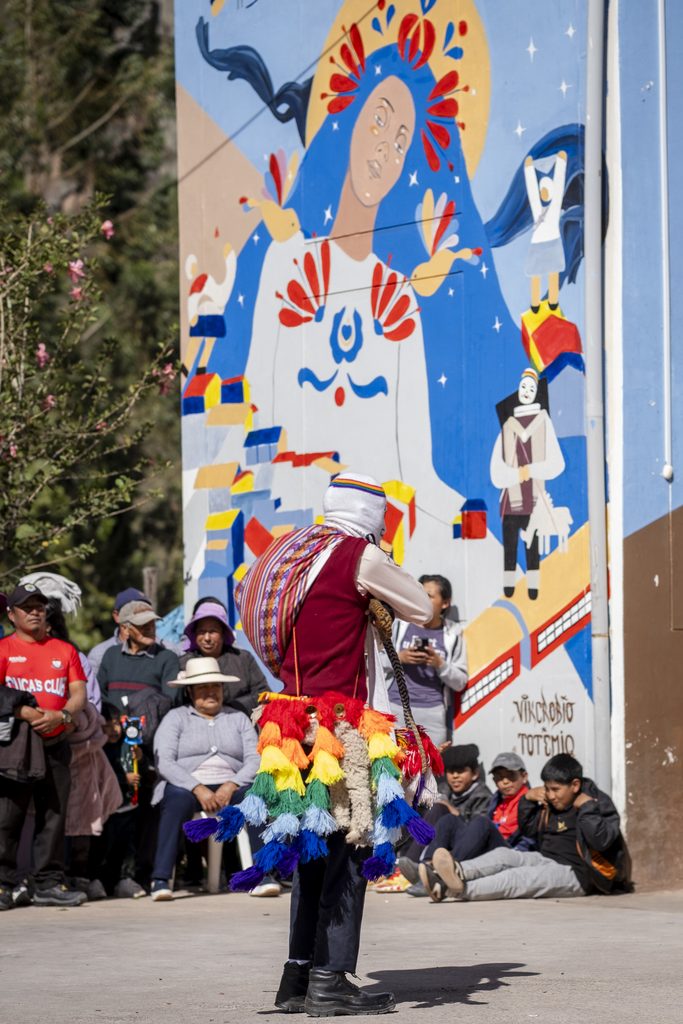
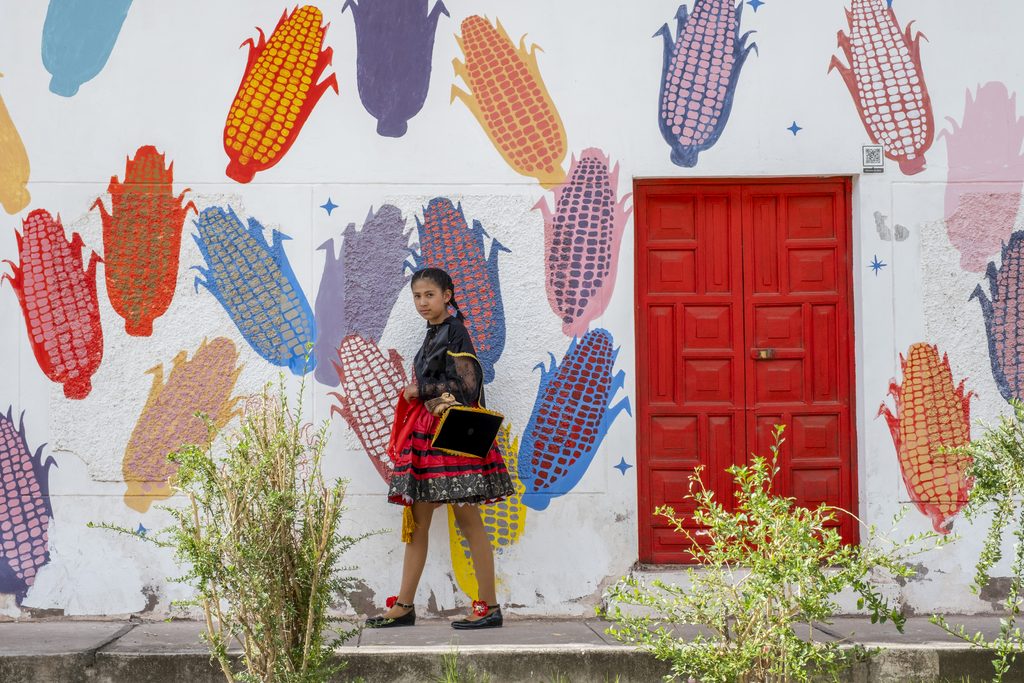
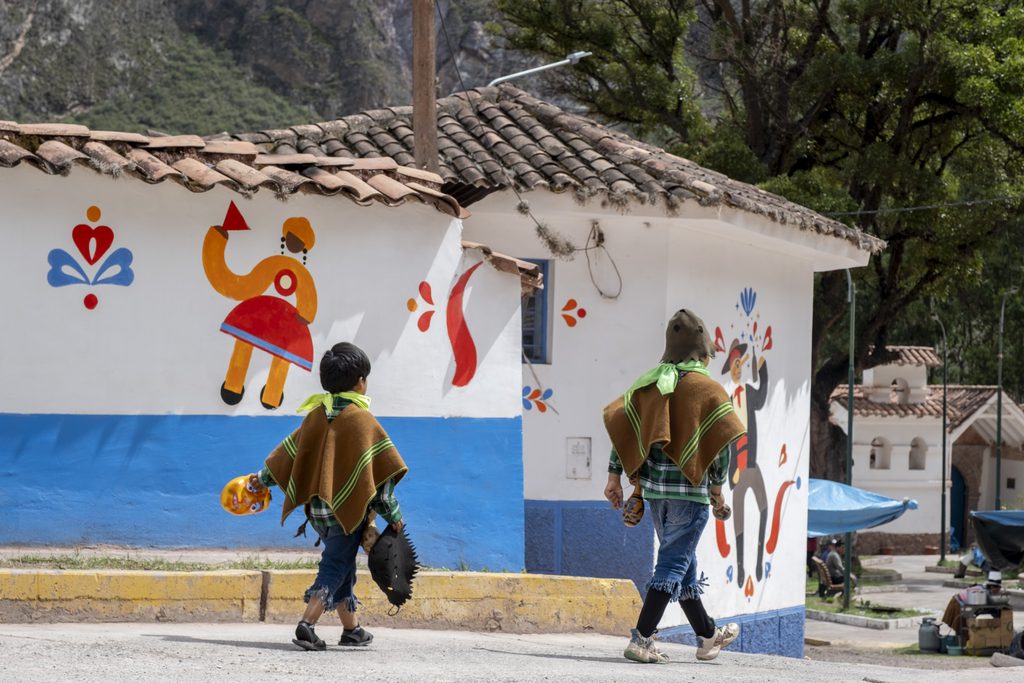
In 2023, Turismo Cuida launched Pachar Pueblo Mural in the district of Ollantaytambo, transforming 34 homes and the local church into murals depicting ancestral agriculture, Andean cosmovision and cultural resilience.
The initiative has helped to strengthen community pride, attract visitor interest and create new opportunities for local families. With support from the LATA Foundation, the second phase is building on this work by developing the skills, infrastructure and tourism experiences needed to turn Pachar’s cultural heritage into sustainable economic opportunities.
The project combines art, cultural heritage and community-based tourism, with local residents involved in shaping the development of the route and experiences.
What the project is supporting
- Further development of Pachar’s community mural route
- Training and technical assistance for local residents
- Development of mural tours and cultural interpretation
- Craft and gastronomic experiences led by community members
- Skills development for women and young people
- Promotional and interpretive materials to increase Pachar’s visibility
- Development of sustainable tourism products that can generate additional household income
Our aims
The project aims to:
- Strengthen the role of women and young people in local tourism
- Create new opportunities for community-led income generation
- Preserve and promote Pachar’s cultural heritage
- Develop tourism experiences that encourage visitors to spend more time in the community
- Establish Pachar as a model for cultural and sustainable tourism in the Sacred Valley
Why we are supporting this project
The LATA Foundation is supporting Pachar because the project brings together community empowerment, cultural heritage and sustainable tourism.
Pachar sits on the main route between Cusco and Machu Picchu, giving it significant potential to benefit from tourism while offering visitors a more meaningful connection with local culture. The mural project has transformed the community into an open-air gallery, telling local stories through art and creating a platform for further tourism development.
Importantly, the community is involved in setting priorities, developing the mural route and creating tourism experiences. Women’s groups and other local residents are being supported to develop services such as food, crafts and guiding, helping ensure that the benefits of increased tourism remain within the community.